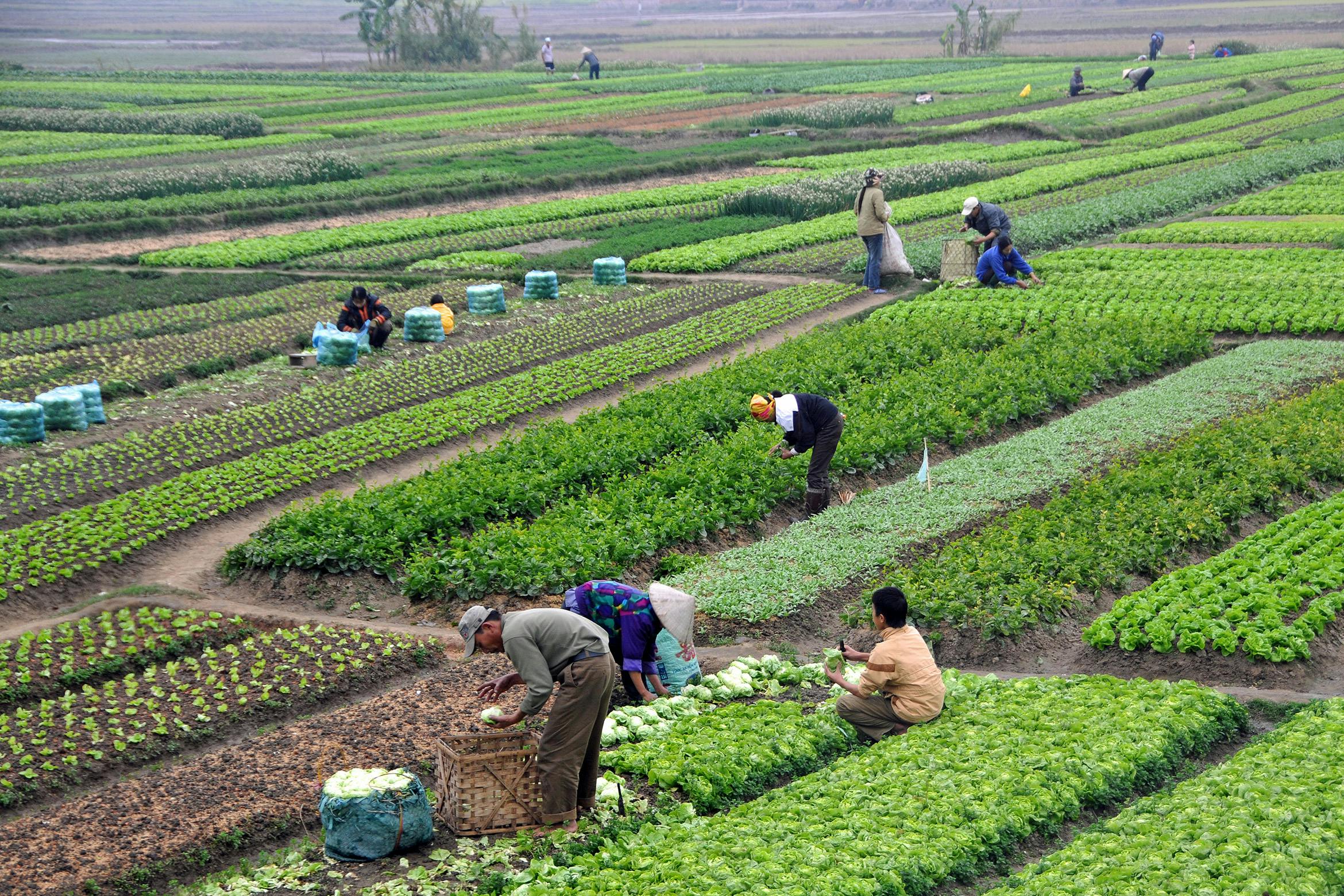
Image: Dennis Jarvis/Flickr
8. Decent work and economic growth

8. Decent work and economic growth

Over the past 25 years the number of workers living in extreme poverty has declined dramatically, despite the lasting impact of the 2008 economic crisis and global recession. In developing countries, the middle class now makes up more than 34 percent of total employment – a number that has almost tripled between 1991 and 2015.

However, as the global economy continues to recover we are seeing slower growth, widening inequalities, and not enough jobs to keep up with a growing labour force. According to the International Labour Organization, more than 204 million people were unemployed in 2015.

Read our stories to learn more about SDG Goal 8: Decent work and economic growth

Image: U.S. Agency for International Development/Flickr
Image: U.S. Agency for International Development/Cambodia HARVEST/Fintrac Inc
Image: U.S. Agency for International Development/Flickr
Image: UNDP DRC

To adopt SDG 8 Decent work and economic growth, in support of the 17 Sustainable Development Goals, please contact us at partners@eco-business.com

Adopt this goal

News

Nepal_Disaster_Inequality_Farmland
A resettlement village set up after the 2015 earthquake was washed away in the August floods. Khalte’s destruction exposes wider gaps in Nepal’s attempts at rehabilitation.
Parrot_Tree-Tropical_Forest
Meant to pay countries for keeping forests standing, the fund has an interim charter, a board, a World Bank home… and insufficient funds.
Nickel mining workers in Molawe, Indonesia
Energy and mining workers face barriers to moving between sectors, including unnecessary repeated training, according to a report by nonprofit Opito. As the region’s energy systems become more integrated, the findings highlight the need to recognise existing skills while maintaining safety standards.
FFA_Coal_Suralaya_Plant
EB Studio Experts say the region's next challenge is turning climate commitments into enforceable coal retirement plans that protect people, local communities, and energy security.
All Decent work and economic growth News →

Opinion

Downtown Hong Kong
Hong Kong’s experience connecting mainland China with international markets gives it a foundation to shape the next phase of technological development to bridge regulatory differences, foster international cooperation and ensure the benefits of innovation are more widely shared.
Nature_Deal_Peacok
Environmental conservation is among the most important, universally shared imperatives the world faces, and market access is one of the few carrots available in international politics. By linking tariffs to deforestation, the EU and others can create trade agreements that deliver more conservation and more gains from trade.
Coal_Migrant_Workers_China
In regions where economic activity has long revolved around fossil-fuel extraction, ensuring a just transition requires developing alternative livelihoods that account for each community’s specific needs. Regional endowment funds could be a useful vehicle for funding these local initiatives.
Wetlands_Conservation_Boatman_Birds

Carbon & Climate

Nature can’t wait

Although the wars in the Middle East and Ukraine are spurring governments to increase spending on defence and focus more on economic growth, it would be a mistake to postpone investments designed to protect nature. In fact, meeting internationally agreed targets could add up to US$450 billion to annual global GDP by 2050.
All Decent work and economic growth Opinion →

Videos

EB Perspectives - Employees want purpose: The business case for sustainability
Leaders share how they chose to prioritise sustainability across their business, and its ability to strengthen competitiveness and talent retention.
UCFS ID 2026 closing plenary
Speakers at Unlocking capital for sustainability Indonesia 2026 discuss how Indonesia can power its mineral boom without compromising climate goals or community trust
Resilience Episode 2
In this second episode of Eco-Business’s Resilience podcast series, Singapore's Senior Minister of State Janil Puthucheary and youth sustainability advocate Man Jing Kong dives into what resilience means for the city-state with Jessica Cheam. Watch as they discuss everything from climate adaptation to mental health and building public trust as an AI-driven economy reshapes daily life.
EB podcast - Resilience episode one image
In the inaugural episode of Eco-Business's new Resilience podcast series, industry leaders say the palm oil sector's ability to weather disruption will depend not on certification alone, but on rethinking the relationships that underpin the entire supply chain.
All Decent work and economic growth Videos →

Podcasts

Resilience Episode 2
In this second episode of Eco-Business’s Resilience podcast series, Singapore's Senior Minister of State Janil Puthucheary and youth sustainability advocate Man Jing Kong dives into what resilience means for the city-state with Jessica Cheam. Watch as they discuss everything from climate adaptation to mental health and building public trust as an AI-driven economy reshapes daily life.
TLC podcast
In the latest episode of the Climate Tech in Asia series, we speak to Breakthrough Energy and Green COP about what the shifting geopolitical landscape means for the climate tech ecosystem in Asia.
EB Podcast cover_climate journalists
The Eco-Business Podcast speaks to reporters Nadiah Rosli, Adelia Dinda Sani, Gerald Flynn and Hannah Alcoseba Fernandez about funding limits, data access, and reporting against the odds in one of the world's most climate-vulnerable regions.
EB Podcast camel herders in Alasha
A researcher lived with camel herders in Inner Mongolia for years to find out how they're coping with both conservation schemes and modernisation. He tells the Eco-Business Podcast about their challenges and lessons for the world.
All Decent work and economic growth Podcasts →

Strategic Organisations

NVPC Singapore Company of Good logo
First Gen
NZCA