
Image: Adolfo Lujan/Flickr
10. Reduced inequalities

10. Reduced inequalities

The international community has made significant strides towards lifting people out of poverty. The most vulnerable nations – the least developed countries, the landlocked developing countries and the small island developing states – continue to make inroads into poverty reduction. However, inequality still persists and large disparities remain in access to health and education services and other assets. To reduce inequality, policies should be universal in principle paying attention to the needs of disadvantaged and marginalized populations.

Read our stories to learn more about SDG Goal 10: Reduced inequalities
Image: CP DC Press/Shutterstock
Image: Pexels/Pixabay
Image: U.S. Agency for International Development
Image: Steve Evans/Flickr

To adopt SDG 10 Reduced inequalities, in support of the 17 Sustainable Development Goals, please contact us at partners@eco-business.com

Adopt this goal

News

Rohingya_Refugees_Boat_Bangladesh
Millions of people move through overlapping pressures. What does the term ‘climate migrant’ mean – and what does it leave out?
Mecca_Pilgrimage_Heat
A new scientific analysis warns that climate change is rapidly shrinking the safe temperature window for the Hajj pilgrimage in Mecca, raising the risk of heat-related illness for millions of pilgrims.
Airconditioner_Emissions_Pollution_Heat
While refrigerants in air conditioners and heat pumps are keeping people healthy amid global warming, some experts fear a secret climate impact.
Indigenous_Child_Philippines_Bukidnon
Gap between principle and practice risks widening if the country does not more fully include Indigenous people in its climate action plan.
All Reduced inequalities News →
Opinion

Malaysia village house
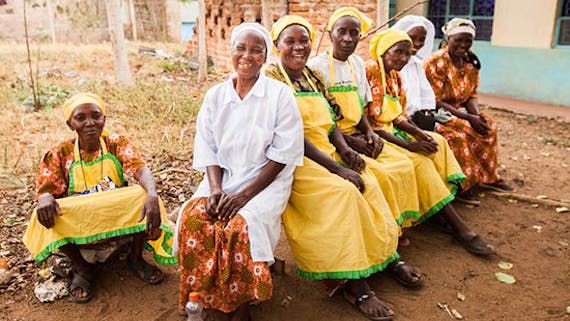
If development programmes are serious about long-term change, they have to create real pathways towards paid, respected roles within the communities women already belong to.
Gas_Station_Line_Sri_Lanka
The Iran war has reminded everyone, but especially Africans, of the structural instability of fossil-fuel prices. For African trustees, directors, asset managers, and other fiduciaries, the question is not whether capital should reposition, but whether institutions will act before events compel them to do so.
Sea_Level_Rise_Flood
An advisory opinion from the International Court of Justice last year left no doubt that states have a legal obligation to prevent significant harm to the climate system, and that a failure to do so carries legal consequences. Now, a new United Nations resolution seeks to put this ruling into practice.
𝟰𝟴𝘁𝗵 𝗔sean 𝗦𝘂𝗺𝗺𝗶𝘁
The 48th Asean Summit in Cebu closed last week vowing “just” energy transition yet fossil fuel dependence and “green extractivism” deepen inequalities.
All Reduced inequalities Opinion →
Videos

WASTED the impact documentary
The impact documentary exploring Asia's mounting waste crisis – and its solutions – is now streaming exclusively for Eco-Business subscribers.
Fireside chat with Dr Mark Konyn, AIA group chief investment officer
In this wide-ranging fireside chat moderated by Eco-Business CEO Jessica Cheam, AIA Group's chief investment officer Dr Mark Konyn asserts there is “no U-turn” among corporates invested for the long term, even as political regimes change amid a new world order.
KAS video intro
EB Studio From sponge cities to coastal forests, Asia is seeking ways to work with nature and prepare for the risks in a warmer-than-expected future. This Eco-Business video looks at what else cities need to do to strengthen climate resilience.
'Wasted' documentary
Launched as policymakers lock horns with petrochemicals lobbyists over a treaty to end plastic pollution, the documentary produced by Eco-Business asks why opportunities to solve humanity's waste crisis are being wasted. It will premiere in Singapore and screen on the sidelines of the upcoming COP28 climate summit.
All Reduced inequalities Videos →

Podcasts

Luck Now Farmers Market
Former Yale-NUS environmental social sciences professor Michael Maniates tells the Eco-Business Podcast that individual actions like going vegetarian, reducing plastic use or avoiding air travel are not only insufficient to address the climate crisis – they are counterproductive.
Climate comedian Stuart Goldsmith says that humour can unlock tricky sustainability problems by "saying the unsayable".
Climate comedian Stuart Goldsmith tells the EB Podcast why jokes might be the most powerful tools for solving sustainability problems.
COP30 podcast cover
Getting climate finance on the agenda for COP30 negotiations is expected to be contentious. This article features the first half of a conversation with two veteran attendees of the annual United Nations climate conference.
Asean logo
The region has been historically underrepresented in leadership at global standard setters like the World Bank and International Monetary Fund. Sharath Martin, who holds positions in global accounting body ACCA and WWF-Malaysia, tells the Eco-Business Podcast what must change.
All Reduced inequalities Podcasts →

Strategic Organisations

NVPC Singapore Company of Good logo
First Gen
NZCA