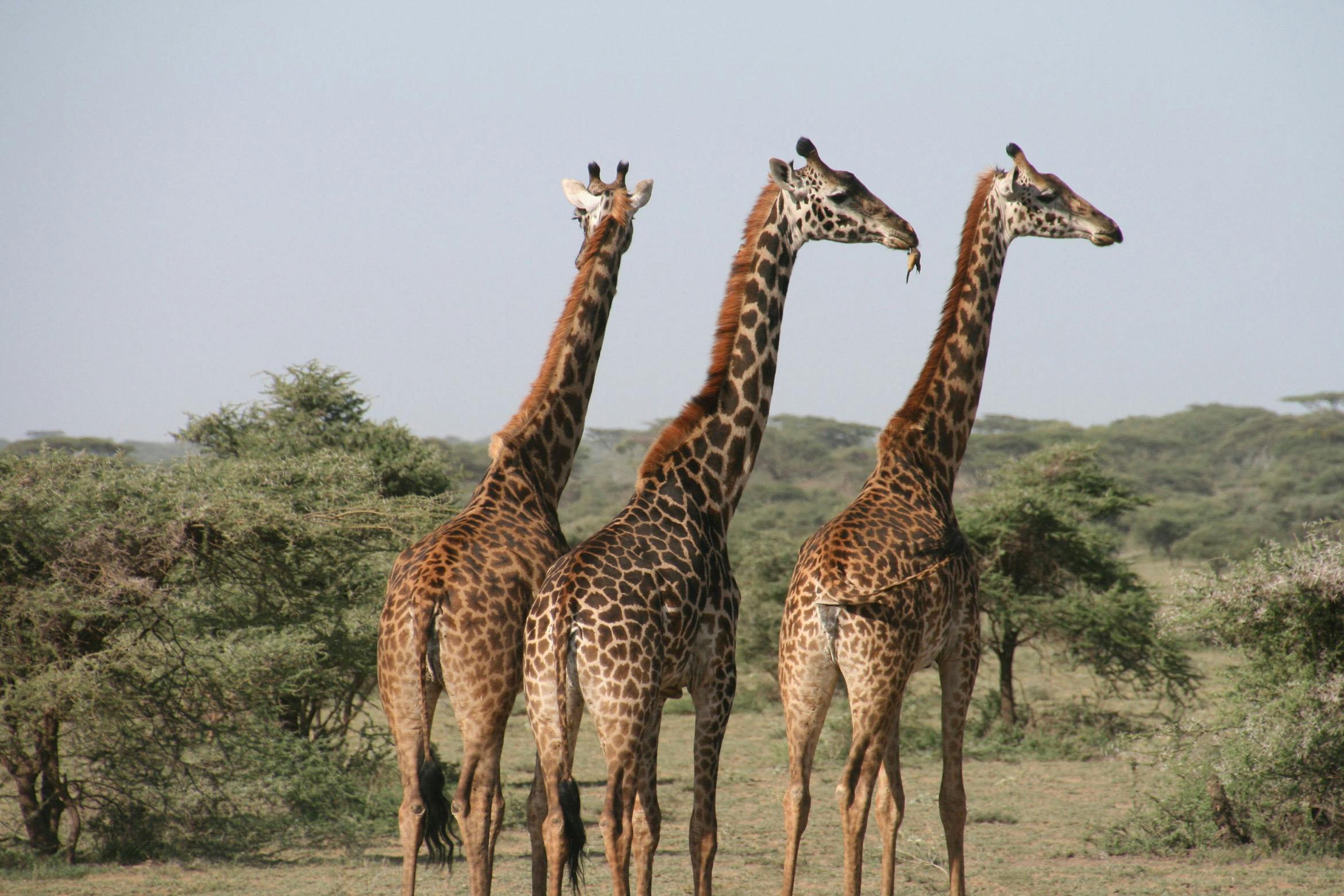
image: ramalholore/Pixabay
15. Life on land

15. Life on land

Forests cover 30 per cent of the Earth’s surface and in addition to providing food security and shelter, forests are key to combating climate change, protecting biodiversity and the homes of the indigenous population. Thirteen million hectares of forests are being lost every year while the persistent degradation of drylands has led to the desertification of 3.6 billion hectares.

Deforestation and desertification – caused by human activities and climate change – pose major challenges to sustainable development and have affected the lives and livelihoods of millions of people in the fight against poverty. Efforts are being made to manage forests and combat desertification.

Read our stories to learn more about SDG Goal 15: Life on land

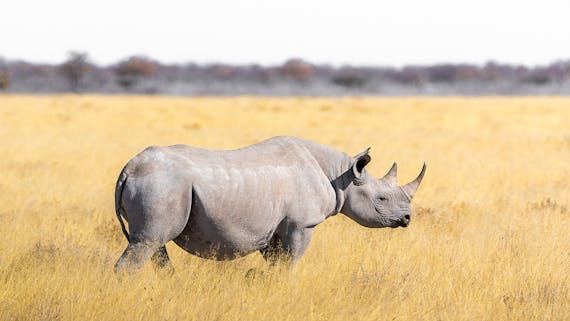
image: fxxu/Pixabay
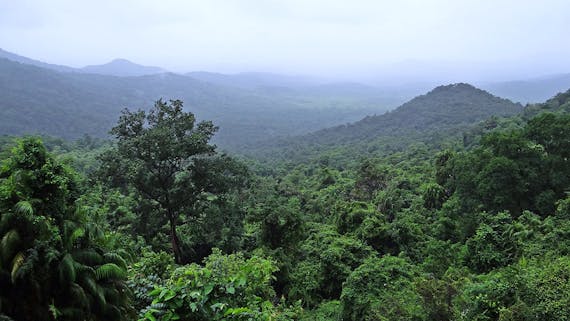
Image: BishnuSarangi/Pixabay
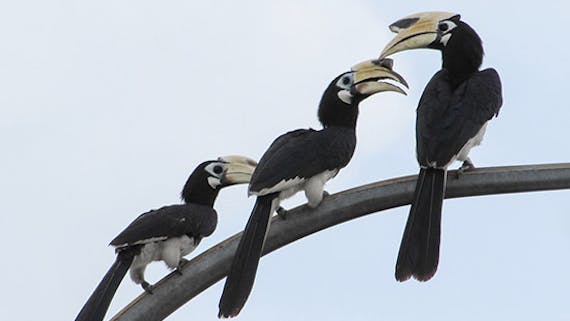
Image: Skeeze/Pixabay
Image: MemoryCatcher/Pixabay

To adopt SDG 15 Life on land, in support of the 17 Sustainable Development Goals, please contact us at partners@eco-business.com

Adopt this goal

News

Plastic_Recovery_Recycling_Facility
Plastic waste will soar to unprecedented levels without action, as UN plastics treaty remains elusive.
Ocean_NDCs_COP30
Ocean-based goals in submitted Nationally Determined Contributions overlook tougher targets including fossil fuel phase-out.
Coastal_Community_Clams_Indonesia
Four island residents take a Swiss cement giant to court while restoring nature at home.
Cows bathing in Lake Toba, north Sumatra.
Research warns that Southeast Asian and Indian lenders are overlooking major climate, biodiversity and public-health risks tied to Asia’s fast-growing protein demand. Only three banks reference animal welfare principles in their lending policies.
All Life on land News →

Opinion

Tengah, the site of the most secondary forest loss in Singapore's recent history.
Singapore is facing diminishing forest cover from competing lands uses – but vulnerable secondary forests could play a key role in helping the city-state adapt to intensifying heat stress and flooding.
Indigenous Peoples at COP30 closing plenary
From Indigenous exclusion to the absence of the United States, a range of factors contributed to another disappointing outcome at the climate talks in Brazil.
Australia outback and road into the unknown
Australia’s withdrawal from hosting the climate talks is a test of intent – and raises questions about ambition, readiness, and political courage.
View from downtown Phnom Penh
With the planet headed for well beyond 1.5°C of warming, the stakes for business are rising. Those who confront climate risk now could unlock what many economists say is the growth story of the century.
All Life on land Opinion →

Videos

Greenpeace MY march to parliament
NGOs urged the government to improve forest data transparency by making maps of protected areas publicly available, and to channel funds to frontline communities living near forests.
The Green Mortician is Singapore's first water cremation service
The Green Mortician is the city-state's first water cremation service, which has a small carbon footprint compared to traditional funeral options.
Andie Ang Q&A
Amid competing concerns such as urban development and tackling climate change, keeping biodiversity conservation in people's minds can be a challenge. Eco-Business asks primatologist Andie Ang how that can be tackled.
Climate spirals
As planetary temperatures reach an all-time high, a climate scientist has designed a new way to show how global temperatures have changed every month since the start of the industrial revolution and 2021.
All Life on land Videos →

Podcasts

Trash piled high at the Bantar Gebang landfill in Bekasi, near Jakarta.
The head of waste management non-profit Ocean Recovery Alliance tells the EB Podcast that recycled content mandates will drive the circular economy better than caps on virgin plastic production. Brands should be pressured more than petrochemical producers to phase out unnecessary plastics, he says.
A report by WWF finds that Hong Kong could lose 25 per cent of its biodiversity to new developments such as the North Metropolis.
A new report predicts Hong Kong could lose one quarter of its wildlife to new developments. WWF Hong Kong conservation head Dr Bosco Chan and Kadoorie Farm and Botanic Garden's Dr Stephan Gale tell the EB Podcast that developers must build in ways that protect nature and bolster climate resilience.
Hurricane Katrina by satellite
The sea-level rise expert has moved to Hong Kong – now seen as a gateway to more collaboration with China on climate science. But he tells the EB Podcast that data from US agencies is still critical for calculating climate defences in Asia.
Ani Dasgupta, CEO of World Resources Institute
The chief executive of World Resources Institute also told the Eco-Business Podcast that the gutting of USAID is less of a concern than how to unlock private capital for climate and nature in developing countries.
All Life on land Podcasts →