
Southeast Asia's Clean Energy Transition
All our latest stories. Back to Sea's Clean Energy Transition.
SDG 13. Climate
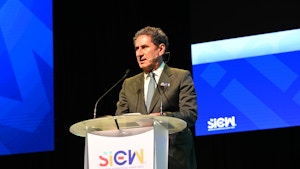
High renewables development costs are a ‘symptom’ of inflexible power grids: IRENA chief
Having more energy storage facilities can help shake Southeast Asia's reliance on fossil fuels, said the head of the intergovernmental body championing the use of renewables in a sit-down with Eco-Business.

SDG 13. Climate
Singapore’s central bank proposes engagement, over divestment, for decarbonising finance firms
While experts have lauded the regulator’s transition planning guidelines as one of the most comprehensive for the sector thus far, some said it remains unclear when divestment could be a valid and sound step to take.

The city-state has given initial clearance for firms to bring in over 4 GW of low-carbon electricity from its neighbours. Regulators are studying if Singapore can take in more power imports, with several consortiums indicating interest.

SDG 9. Infrastructure
Support for fossil fuel subsidy cuts and coal phase-out gains momentum among Southeast Asians: survey
At least half of respondents want these subsidies to stop, reflecting a likely attitude shift as such cuts were seen as the least popular intervention previously. Most are still worried that the renewables push will hike up energy prices.

The pandemic shone a spotlight on the medical waste generated by stretched hospitals. The healthcare sector's decarbonisation efforts continue to be hampered by cost, habits and a lack of data.

The government is also pledging US$430 million for “marginally bankable” energy transition projects and accelerating the launch of a renewable energy exchange for cross-border trade, both part of its new energy transition roadmap.

SDG 13. Climate
Corporate governance structures in Asia: Does where the sustainability function sits affect a company’s climate strategy?
Most corporate sustainability functions in Asia evolved out of the communications department. Does that imply that sustainability is more about image than action? Where should a sustainability leader sit to drive real change?

SDG 12. Consumption
‘Decarbonisation cannot cost us business growth’: Pan Brothers sustainability chief on the net-zero challenge
A cap on renewables procurement and a declining local textiles industry are key obstacles to decarbonisation for Indonesian garment manufacturer Pan Brothers, says sustainability head Satrio Boediarto.

SDG 12. Consumption
Newly approved gas reserves in Malaysia, Vietnam threaten 1.5°C warming limit: report
At least 19 new gas fields in Southeast Asia have been sanctioned for development but these activities, as well as further oil and gas exploration, are incompatible with scientific consensus on climate change, said Global Energy Monitor.

SDG 8. Economic growth
Net-zero hotels realistic, but industry ‘too fragmented’ for global pledge: Sustainable tourism council chief
Eco-Business asked hospitality executives how the industry can tackle rising emissions from the luxury hotels sector, and why green hotel standards are used to grade corporate processes instead of sustainability metrics.

SDG 8. Economic growth
Malaysia’s renewable energy should be kept onshore to attract high-value investments: Bursa chair
Supportive government policies are crucial in steering private sector investment towards decarbonisation and climate action in Malaysia, said corporate leaders and experts at a recent summit on climate finance.

The concept may seem simple, but it comes with risks and unaddressed questions, experts say. There are ongoing efforts to create the rules for such projects. More details could emerge later this year, or early next.



Receive the latest insights daily or weekly.
Strategic Organisations