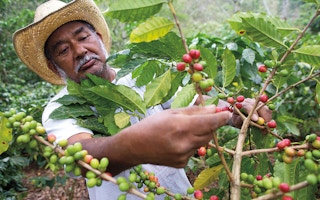

Raise your hand if your day starts with a cup of coffee (or two). You’re not alone. Around the world, we consume over 988 billion cups annually. And this number is predicted to grow in coming years.
To continue watching, subscribe to Eco‑Business.
Access all our exclusive content and archive — with a 7-day free trial. Then just US$5/month. Cancel anytime.
- Exclusive access to training across business and policy topics
- Direct access to industry leaders at Eco-Business events
- A seat among the decision makers shaping the region's sustainable development
All this coffee comes with a pretty hefty carbon footprint. In Costa Rica, coffee production is responsible for nearly 10 per cent of the country’s carbon dioxide emissions.
One cooperative south of the capital city of San José is working to make coffee more climate-friendly.
The Coffee Cooperative of Dota (Coopedota), an association of 800 coffee farmers, is the world’s first certified carbon-neutral coffee producer.
The video above explores how Coopedota achieved this certification by changing the way coffee is grown and processed. With resulting energy and water savings, the cost of running the main production facility dropped by nearly half.
The Costa Rican government hopes the country’s 6,000-plus coffee producers will follow the cooperative’s lead and reduce emissions from one of the world’s most beloved beverages.
This story was written by Todd Reubold and republished with permission from Ensia.com