Asia Pacific‘s leading platform for sustainable development
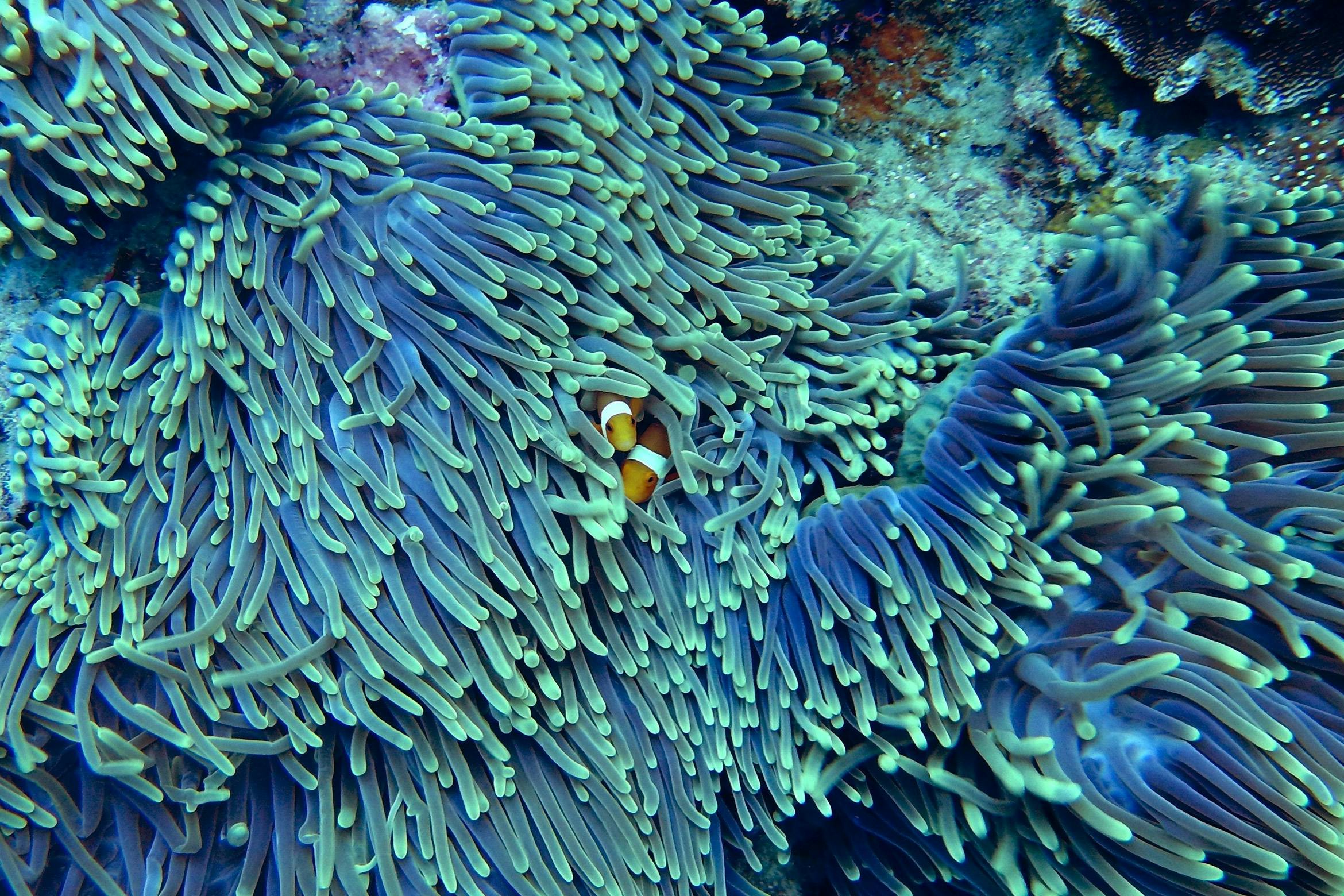

14. 水下生物
这个星球的海洋,其温度、化学反应、洋流和孕育的生命,推动了整个全球生态体系,使地球得以成为人类的家园。我们的雨水、饮用水、天气、气候、海岸、大部分的食物来源,甚至使呼吸的氧气都可以归功于海洋的馈赠与调控。对于贸易和运输来讲,海洋在是从古至今的交通要道。谨慎管理这一必不可少的全球资源是可持续未来的关键所在。
阅读我们的报道,了解更多有关联合国千年发展目标第十四条:水下生物



To adopt SDG 14 水下生物, in support of the 17 Sustainable Development Goals, please contact us at partners@eco-business.com
Adopt this goal新闻

The United Kingdom’s flagship £500 million Blue Planet Fund, which supports marine environment programmes in developing countries like the Philippines, Indonesia and Vietnam, is in question, following news of a planned budget cut.

A new study finds Australia spends far more on subsidies that harm biodiversity than on conservation, underscoring the need to reform fiscal policy to meet its 2030 global nature targets.

The devolved government in West Sumatra province, which is home to 5.8 million people on Indonesia’s Sumatra Island, intends to present new zoning plans to the central government that could regulate currently illegal mines operated by small groups of people.

政策和金融
Singapore may slow carbon tax price increases if global climate action stalls further, warns PM
In his budget address, Singapore's prime minister Lawrence Wong said that global climate action had slowed, and noted that the country's emissions reduction efforts would not compromise its economic competitiveness. He also announced a new target to ramp up renewables deployment.
观点

AI promises productivity gains, but without corporate and investor commitment, Singapore risks deeper inequality, higher emissions, and growing social strain as jobs are lost.

Philanthropy's impact depends less on the amounts raised and more on how effectively it connects people and organisations working to build a sustainable blue economy.

As climate change and great-power rivalry intensify, oceans are emerging as a geopolitical frontier – testing whether diplomacy can manage rising tensions over shipping routes, seabed minerals and fishing grounds.

The world has started to recognise that the climate’s fate depends on what happens to the ocean. At COP30, ocean-based solutions attracted significant attention and investment, but much more must be done to establish the governance structures required for safeguarding this critical planetary system.
视频

The vessel will scour Southeast Asia’s marine environment to gather data and support local conservationists.

独家
Jack Johnson says yes, but it is a long road ahead. In this exclusive interview, we ask the American singer-songwriter and UNEP Goodwill Ambassador about his hopes for the state of the world and how music plays a role in providing a dose of optimism in dark times.
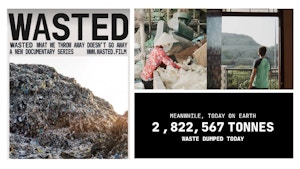
Launched as policymakers lock horns with petrochemicals lobbyists over a treaty to end plastic pollution, the documentary produced by Eco-Business asks why opportunities to solve humanity's waste crisis are being wasted. It will premiere in Singapore and screen on the sidelines of the upcoming COP28 climate summit.

Do children ask the toughest questions? This World Oceans Day, we get renowned oceanographer Dr Sylvia Earle, founder of Mission Blue, to field questions from curious kids on the mysteries of the deep.
播客

The Asia Pacific ESG head of the B Corp-certified cosmetics firm says refill stations have been disappointing and getting suppliers on board with decarbonisation is difficult, but her team has not been affected by the ESG backlash.

In the first of a podcast series featuring Southeast Asia's clean energy entrepreneurs, the CEO of Gurin Energy says that Asean countries will be left behind in artificial intelligence and robotics if the region does not connect its grid and deploy renewables at speed and scale.

The head of waste management non-profit Ocean Recovery Alliance tells the EB Podcast that recycled content mandates will drive the circular economy better than caps on virgin plastic production. Brands should be pressured more than petrochemical producers to phase out unnecessary plastics, he says.

Speaking from the INC-5.2 talks in Geneva, the Singapore Youth for Climate Action president argues that having no treaty is better than a watered-down pact with no limits on plastic production. But there is no explicit Asean-wide support for such caps now, she observes.

Receive the latest insights daily or weekly.
战略组织