东南亚清洁能源转型
所有最新报道. Back to Sea's Clean Energy Transition.

Solar offers the region a cheaper path to meet new power demand by cutting costs by half compared to gas as the Gulf crisis highlights fossil fuel risks, found a new Ember report.

The new findings from Zero Carbon Analytics come as Vietnam moves to remove most tariffs on imported fuels such as gasoline and diesel in a bid to tame inflation brought about the Middle East conflict.

SDG 11. 城市
Singapore venture raises S$50m for Indonesia projects as cross-border solar deals face headwinds
Frank Phuan's Equator Renewables Asia secures funding for solar and hydrogen projects in Indonesia as developers exporting power to Singapore face tough permit rules and an evolving cross-border regulatory framework.

SDG 11. 城市
‘Wake-up call’ for Asean energy security as Singapore, Thailand face Iran war’s LNG risks
Long-term energy security is also a concern for Malaysia, the Philippines and Vietnam, which have been expanding LNG infrastructure. Experts say that a shift to renewables is worthwhile, but policies are diverging across the region.

SDG 13. 气候
Cross-border clean energy projects are hard – but the returns are worth the pain: Sunseap co-founder Frank Phuan
As Southeast Asia eyes regional power trading to accelerate decarbonisation, veteran solar entrepreneur Frank Phuan unpacks the political, economic and logistical hurdles of moving clean energy across borders.

China's withdrawal of export rebates for solar PV and battery products, alongside rising raw material costs, have pushed prices up in the region. But the impact could be mitigated by the capacity of Southeast Asia’s solar manufacturers, which were affected by US tariffs last year.

The Philippines’ ambition to become a data centre hub is running up against high electricity prices and a coal-heavy grid.

SDG 13. 气候
Jeffrey Sachs: China is unequivocally the world’s climate power today. Asean’s opportunity is next.
独家
The economist and president of the UN Sustainable Development Solutions Network told the Eco-Business Podcast how China’s green industrial and financial capabilities can help accelerate Southeast Asia's transition to net zero.

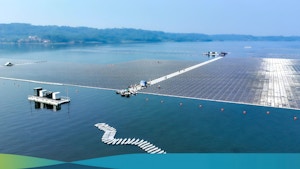
Though not the most widely deployed solution, floating solar farms bypass land and social constraints, making efficient use of available space to potentially help achieve Malaysia’s renewable energy target – one that would otherwise be difficult or too costly to reach.

Google will also buy renewable energy for its Malaysian data centres from another solar project in the northern Kedah state from Japan-based firm Shizen Energy.

Floating solar deals, cross-border energy plans and a new carbon credit framework highlight early progress, but achieving net zero will require rapid capacity expansion and a more resilient, modernised grid.
SDG 13. 气候
Indonesia’s energy transition could be turbocharged by Chinese green finance, study finds
Redirecting the energy funding Indonesia receives from China entirely into renewables could mobilise up to US$9 billion over the next decade. But enabling Chinese investment will require stronger industrial policies, a study finds.



Receive the latest insights daily or weekly.
战略组织