A new study by the MSCI Institute has found growing alarm among the world’s largest insurers that climate-driven extreme weather is tipping from an underwriting problem into a potential systemic financial risk – an anxiety felt acutely in Asia-Pacific.
The report surveyed 50 major property and casualty insurers and reinsurers, with nearly a quarter from the Asia Pacific region.
A majority of Asia Pacific-based insurers say that while they feel individually well prepared for rising physical hazards, the industry as a whole is not.
Half of Asia Pacific respondents said the sector is unprepared, mirroring concerns in North America (62 per cent) and Europe (46 per cent).
This “readiness gap” points to growing fears that escalating climate extremes could destabilise financial systems, not just insurance balance sheets.
That anxiety is nearly universal in Asia Pacific: every insurer in the region surveyed reported moderate to very high concern that physical climate risk could trigger systemic financial losses. And all of them expressed high concern about the future insurability of infrastructure in vulnerable locations, four percentage points higher than the global average.
With Asia home to many of the world’s most climate-exposed megacities, coastal assets and manufacturing hubs, the region’s insurers are increasingly confronting the possibility that parts of the built environment may become too risky or too costly to insure.
Yet despite this recognition, Asia Pacific also shows the widest implementation gap. Some 64 per cent of the region’s insurers say they are highly concerned about systemic risk, but 63 per cent admit they remain at early or intermediate stages of integrating such risks into their risk management frameworks.
While Europe leads in physical risk integration – 68 per cent of insurers there have embedded it into overall risk management – only 36 per cent of APAC firms have reached that stage. The disparity is even more stark in underwriting preparedness: 79 per cent of European insurers say they are ready for rising physical risk, but just 23 per cent of Asian firms say the same.
Industry commentators warn that insurers can no longer rely on historical data to price future risks.
Extreme weather events and other physical risks have shattered the industry’s rearview mirror. Historical patterns no longer serve as a reliable map for future hazards,” Alex Koukoudis from the Lloyd’s Market Association noted in the report.
Koukoudis described the findings as revealing a “readiness paradox” – insurers believing they are individually capable yet deeply worried about the collective resilience of the sector.
Governance practices remain a weak point in the insurance sector. Nearly 70 per cent of insurers globally do not include climate metrics in executive performance or incentives, a gap that persists across regions, including 67 per cent in Asia Pacific. Without accountability mechanisms, the report warns, firms risk falling behind the pace of climate exposure.
However as risk intensifies, new commercial opportunities are emerging. Two-thirds of Asian insurers see potential in climate-risk and resilience advisory services, compared with 91 per cent globally. 58 per cent identify parametric insurance – where payouts are triggered automatically by hazard thresholds – as a key growth segment. Seventeen per cent of Asian firms also see opportunities in insuring nature-based resilience, such as mangrove or wetland restoration, noticeably above the global average of 11 per cent.
Insurers are already turning to new tools to navigate the uncertainty. Nearly all Asian firms say near-term physical risk scenarios through to 2030 inform underwriting, finding longer-term projections to be too abstract for pricing decisions.
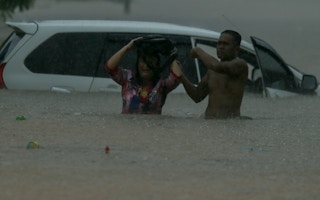
Meanwhile climate-related losses are rising at an alarming rate. Insured natural catastrophe losses in 2025 exceeded US$100 billion for the sixth consecutive year, according to reinsurer Swiss Re. MSCI estimates that physical-hazard losses could rise almost fourfold by 2050 compared with 2024. Asia’s combination of exposure growth, infrastructure concentration and rapidly shifting climate hazards makes the region especially vulnerable, the report noted.