Asia Pacific‘s leading platform for sustainable development


10. 缩小差距
国际社会在减贫方面做出了巨大进步。在最脆弱的国家,即最不发达国家、内陆发展中国家和小岛屿发展中国家持续在减贫方面做出努力。然而,不平等问题依旧持续存在,在医疗、教育服务和其他资源方面的差距仍旧显著。为减少不平等,政策需要普遍关注劣势和边缘化群体的需求。
阅读我们的报道,了解更多有关联合国千年发展目标第十条:缩小差距





To adopt SDG 10 缩小差距, in support of the 17 Sustainable Development Goals, please contact us at partners@eco-business.com
Adopt this goal新闻

A new study finds Australia spends far more on subsidies that harm biodiversity than on conservation, underscoring the need to reform fiscal policy to meet its 2030 global nature targets.

EB工作室
Rising energy demand and rapid economic growth are constantly reshaping Asia’s transition challenge.

The devolved government in West Sumatra province, which is home to 5.8 million people on Indonesia’s Sumatra Island, intends to present new zoning plans to the central government that could regulate currently illegal mines operated by small groups of people.

Displaced by coastal erosion, people began moving to Bagapatia in the 2010s, but continue to decry the village’s inadequate and dangerous conditions.
观点

政策和金融
A message from Islamabad to New York: The demand for tax justice is an unstoppable global tide
On 27 January, a landmark ruling on high-earning individuals and large corporations by Pakistan's newly-established Federal Constitutional Court provided a "powerful blueprint" in seeking an overhaul of the international tax system.

Burnout among sustainability professionals isn’t just persisting – it’s deepening, shaped by new pressures.

From the Ifugao highlands to Morocco’s Anti-Atlas Mountains, Indigenous terrace farming illustrates how long-standing, locally adapted practices capture water, conserve soil and diversify crops to withstand intensifying climate extremes.

With the world’s population expected to reach ten billion by mid-century, agriculture must produce more with less – every season, everywhere. The knowledge and tools to end and prevent food insecurity are already in hand, but they have yet to be used wisely and at scale.
视频

The impact documentary exploring Asia's mounting waste crisis – and its solutions – is now streaming exclusively for Eco-Business subscribers.

In this wide-ranging fireside chat moderated by Eco-Business CEO Jessica Cheam, AIA Group's chief investment officer Dr Mark Konyn asserts there is “no U-turn” among corporates invested for the long term, even as political regimes change amid a new world order.

EB工作室
From sponge cities to coastal forests, Asia is seeking ways to work with nature and prepare for the risks in a warmer-than-expected future. This Eco-Business video looks at what else cities need to do to strengthen climate resilience.
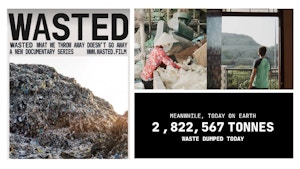
Launched as policymakers lock horns with petrochemicals lobbyists over a treaty to end plastic pollution, the documentary produced by Eco-Business asks why opportunities to solve humanity's waste crisis are being wasted. It will premiere in Singapore and screen on the sidelines of the upcoming COP28 climate summit.
播客

Getting climate finance on the agenda for COP30 negotiations is expected to be contentious. This article features the first half of a conversation with two veteran attendees of the annual United Nations climate conference.

The region has been historically underrepresented in leadership at global standard setters like the World Bank and International Monetary Fund. Sharath Martin, who holds positions in global accounting body ACCA and WWF-Malaysia, tells the Eco-Business Podcast what must change.

The chief of a Manila-based nonprofit that advocates for climate finance transparency tells the EB Podcast that so-called Filipino resilience to natural disasters should not be an “excuse” for developers to dodge accountability for substandard flood control projects.

The chief executive of World Resources Institute also told the Eco-Business Podcast that the gutting of USAID is less of a concern than how to unlock private capital for climate and nature in developing countries.

Receive the latest insights daily or weekly.
战略组织