Asia Pacific‘s leading platform for sustainable development
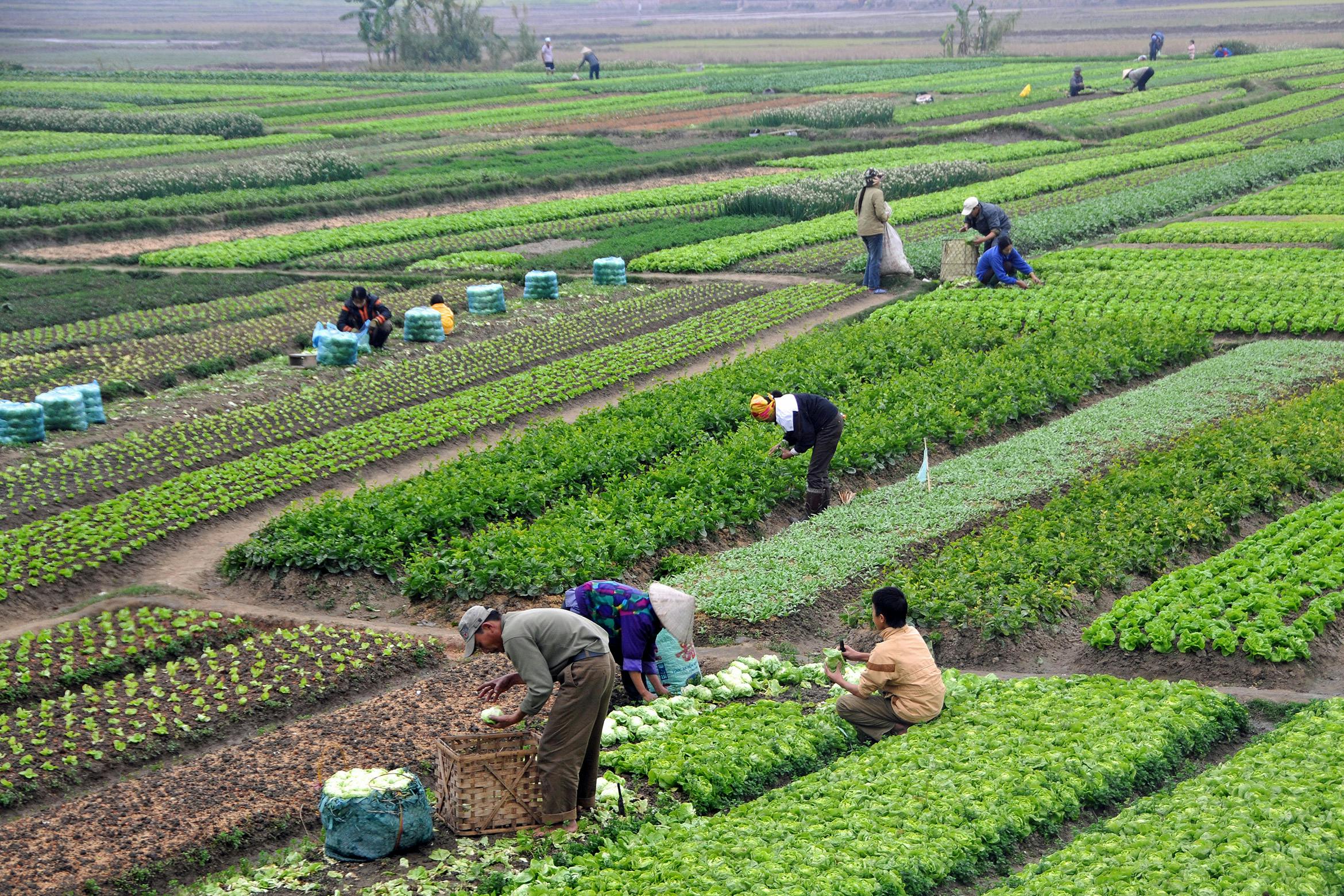

8. 体面工作和经济增长
过去的25年间,尽管出现了2008年的经济危机和全球衰退,生活在极端贫困中的工人数量大幅下降。在发展中国家,中产阶级占总体劳动力比重从1991年到2015年几乎增长了三倍,目前达到34%以上。
然而,随着全球经济回暖,我们也看到增长放缓、不平等加剧和没有足够工作以满足不断增长的劳动力的问题。根据国际劳工组织的数据,2015年有超过2.04亿人口处于失业状态。
阅读我们的报道,了解更多有关联合国千年发展目标第八条:体面工作和经济增长


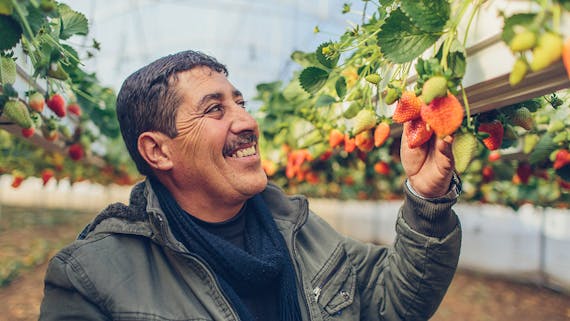
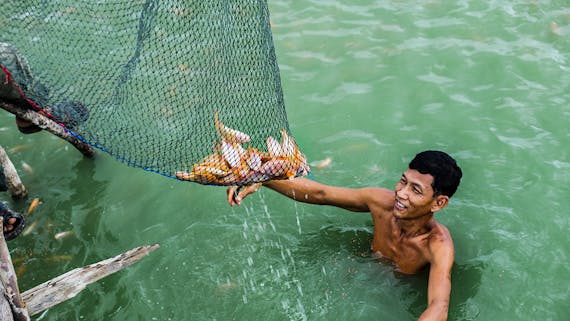
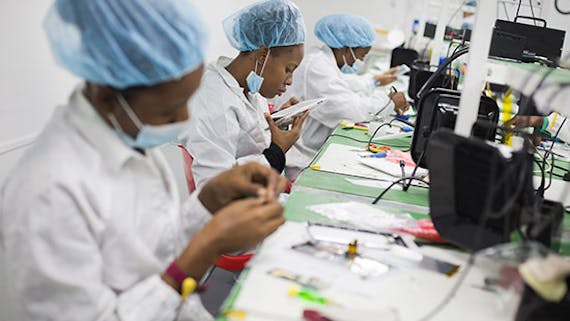
To adopt SDG 8 体面工作和经济增长, in support of the 17 Sustainable Development Goals, please contact us at partners@eco-business.com
Adopt this goal新闻

Seafood is so vulnerable to fraud that one in five products may not be what is claimed, warns the UNFAO.

A new study finds migrant fishers’ deaths at sea stem from systemic labour and governance failures, not isolated safety lapses.

Supply-chain push may bring new deals but do little to help producer countries develop their mining sectors.

Women in Mandla, Madhya Pradesh are becoming leaders of their homestead farms.
观点

AI will mostly benefit those already well positioned to leverage it – men. Businesses and governments cannot afford to overlook gender as they invest in talent policies for the AI age.

Vietnam’s stalled Chinese-backed solar factories underscore how Global South nations must demand technology transfer and value addition – not just capital inflows – from China’s expanding overseas clean-tech investments.

From the Ifugao highlands to Morocco’s Anti-Atlas Mountains, Indigenous terrace farming illustrates how long-standing, locally adapted practices capture water, conserve soil and diversify crops to withstand intensifying climate extremes.

Despite political gridlock within countries and at global summits, climate change and ecological degradation are creating undeniable economic momentum. As renewables scale up, fossil fuels will become even less competitive; and as ecosystems degrade, markets will price in the risks and reward those who adapt.
视频

The impact documentary exploring Asia's mounting waste crisis – and its solutions – is now streaming exclusively for Eco-Business subscribers.

In the latest episode of the Climate Tech in Asia series, we speak to Breakthrough Energy and Green COP about what the shifting geopolitical landscape means for the climate tech ecosystem in Asia.

EB工作室
As Malaysia forges ahead with its 2050 net zero climate ambition, businesses must reshape their supply chains for a low carbon future. This Eco-Business video looks at how SMEs can adapt to new sustainability reporting requirements.

In this wide-ranging fireside chat moderated by Eco-Business CEO Jessica Cheam, AIA Group's chief investment officer Dr Mark Konyn asserts there is “no U-turn” among corporates invested for the long term, even as political regimes change amid a new world order.
播客

The Eco-Business Podcast speaks to reporters Nadiah Rosli, Adelia Dinda Sani, Gerald Flynn and Hannah Alcoseba Fernandez about funding limits, data access, and reporting against the odds in one of the world's most climate-vulnerable regions.

A researcher lived with camel herders in Inner Mongolia for years to find out how they're coping with both conservation schemes and modernisation. He tells the Eco-Business Podcast about their challenges and lessons for the world.

碳与气候
‘Five years ago, everyone wanted to be Elon Musk’: Where is climate tech in Southeast Asia now?
Entrepreneur Steve Melhuish tells the EB Podcast where the biggest opportunities to reduce emissions and make money are in Southeast Asia, and why finding the right economic incentives is critical for climate tech startups.

Asia lags the world in natural catastrophe protection. Part of the problem could be counting extreme weather losses only after they happen, industry insiders tell the Eco-Business podcast.

Receive the latest insights daily or weekly.
战略组织