



Asia is entering a major infrastructure build-out as governments expand power grids, transport networks, water systems and digital infrastructure to support urbanisation, industrialisation and the energy transition.
Southeast Asian economies alone, for instance, are expected to require at least US$2.8 trillion in infrastructure investment by 2030.
But the challenge is not just about building more. Climate change is increasing exposure to flooding, heat and other hazards, while infrastructure systems are becoming more interconnected. Governments and project owners are also under pressure to improve resource efficiency, reduce emissions and ensure infrastructure remains resilient as conditions change.
Meeting these demands requires a more integrated approach to infrastructure delivery. Increasingly, success depends on how effectively planning, financing, engineering, technology and operations work together throughout the project lifecycle.
“[We’re seeing] a substantive shift from operational efficiency toward a whole-life-cycle framework that integrates embodied carbon, climate resilience, housing affordability and social equity,” Ian Hamilton, lead author of the latest Global Status Report for Buildings and Construction published by the UN Environment Programme and the Global Alliance for Buildings and Construction, told Eco-Business.
“
Sustainability is no longer defined solely by how infrastructure is built, but by how it performs, adapts and evolves over its entire lifecycle. Today, sustainable infrastructure must be operationally intelligent, continuously optimising energy use, reducing waste and anticipating faults before they occur.
Gareth Tang, President of Urban Solutions, ST Engineering
Singapore is well positioned to help address these challenges. Its approach to infrastructure development is underpinned by long-term, integrated planning, with land-use and infrastructure needs considered decades ahead and translated into more detailed plans over time.
This helps planners anticipate future demand, manage competing resource needs and retain flexibility as conditions change. Combined with an established ecosystem of infrastructure players, this positions Singapore as a regional hub that can support infrastructure projects across the region.
“Sustainability is no longer defined solely by how infrastructure is built, but by how it performs, adapts and evolves over its entire lifecycle,” said Gareth Tang, President of Urban Solutions at ST Engineering, which is headquartered in Singapore. “Today, sustainable infrastructure must be operationally intelligent, continuously optimising energy use, reducing waste and anticipating faults before they occur.”
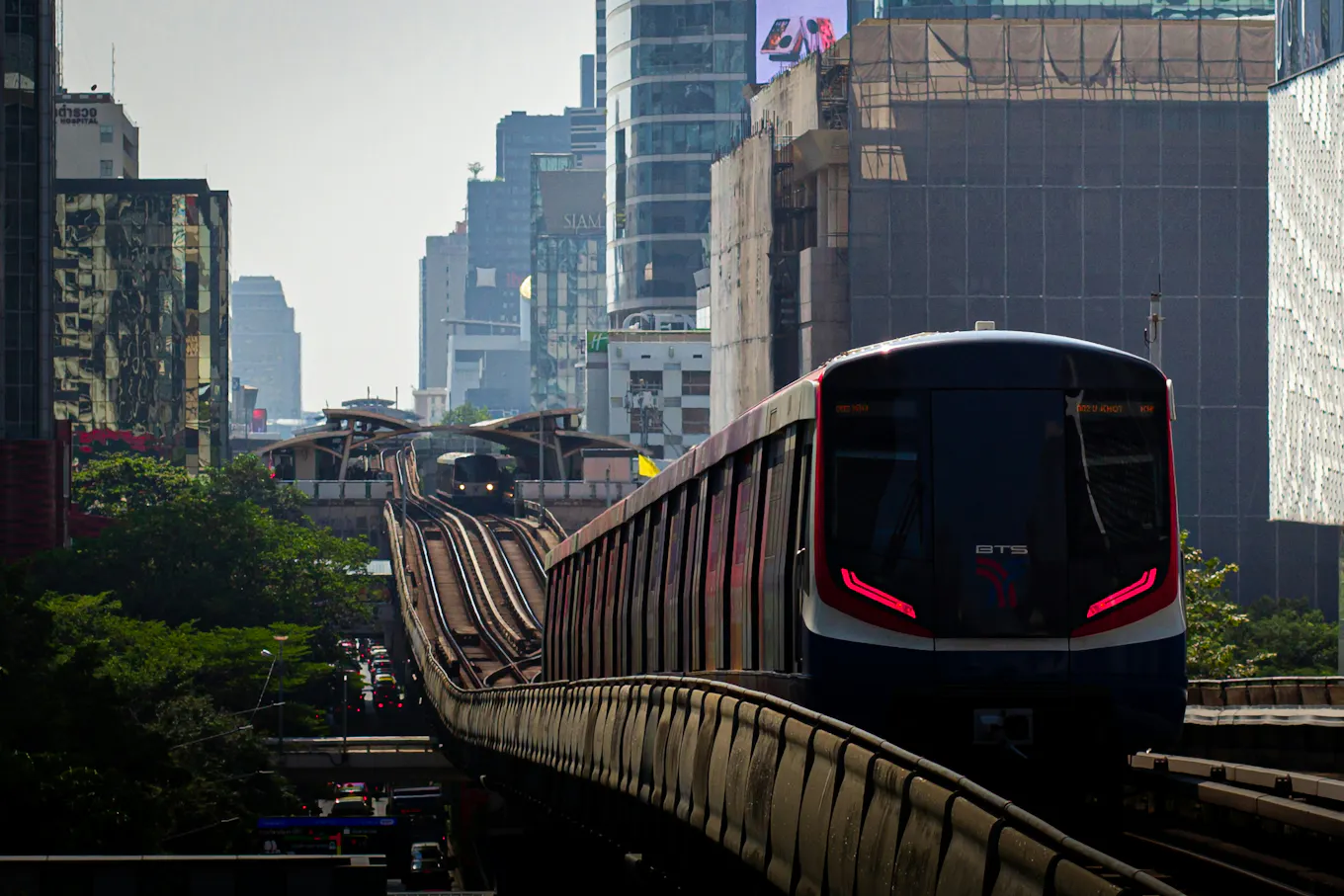
Modern rail systems increasingly rely on digital technologies and integrated control centres to improve reliability, manage disruptions and optimise operations. Image: Umpholphat Dangam, CC BY-SA 3.0, via Unsplash.
Connecting urban infrastructure
For city planners and operators, the challenge is to integrate scale and orchestrate infrastructure at the city-level, provide deeper insights, support operational decisions and respond more quickly to changing conditions.
Addressing this requires deep technical and engineering expertise, as well as an understanding of how systems interact in real-world environments and at scale. In Qatar’s Lusail City, for example, ST Engineering is deploying its AGIL CityAI platform, integrating applications and data streams at scale to provide real-time, city-level operational intelligence.
“By connecting and integrating a variety of smart city applications such as lighting, building and traffic management systems, Lusail will gain a unified, city-level view and actionable operational intelligence, enabling seamless operations, optimised processes and reduced resource wastage to support its development and sustainability goals,” Tang said.
ST Engineering has also rolled out AI-enabled traffic management systems that improve traffic flow and reduce congestion in Singapore, Bangkok and the United Arab Emirates, alongside next-generation smart metro control centres that strengthen operational resilience and improve service reliability across metro networks.

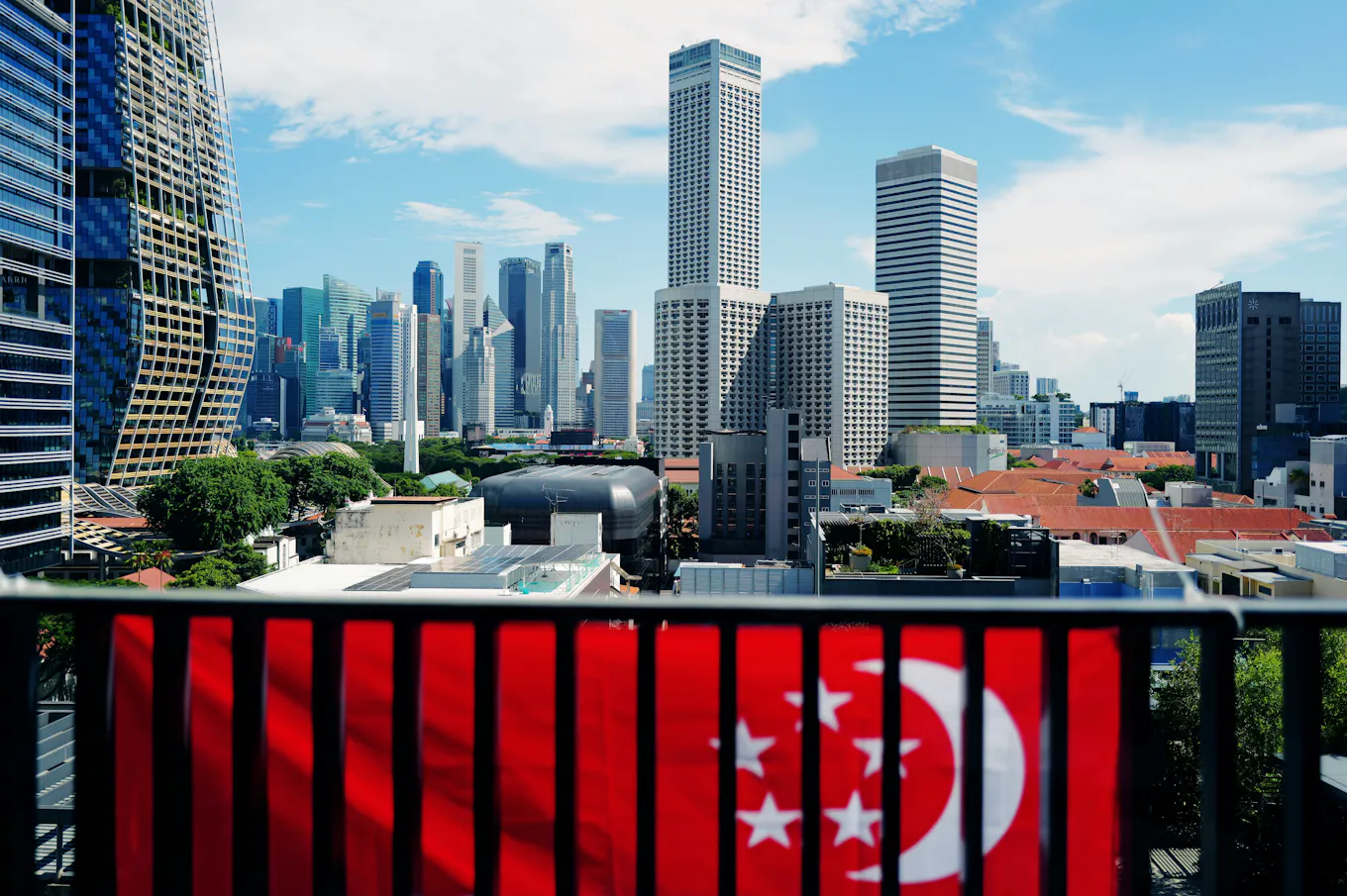
As infrastructure investment accelerates across Southeast Asia, sharing technology and operational experience could help countries adapt solutions to their own needs. Image: Andrew Krotov, CC BY-SA 3.0, via Unsplash.
Tang said these integrated systems provide operators greater visibility and insights into how transport networks are functioning, enabling more informed decision-making and faster, coordinated responses.
As infrastructure systems become more complex, the capabilities required to deliver and manage them must also evolve.
“While technology is a key enabler for urban transformation, how effectively it is applied, integrated and scaled in complex, real-world environments is equally as important,” Tang said. “Cities are therefore seeking trusted partners that can design, integrate and scale urban infrastructure ecosystems in support of their priorities.”
Building integrated energy systems
Energy infrastructure faces a similar challenge. Electricity demand is increasing as Southeast Asia expands manufacturing, electrifies transport and develops data centres for digital services and artificial intelligence (AI). Power systems must meet this demand while accommodating growing shares of renewable energy and maintaining reliable, affordable supply.
Vickrem Vijayan, Chief Operating Officer for Singapore at Sembcorp Industries, said the company is seeing strong demand from data centre operators and advanced chip manufacturers. Meeting this demand, he said, requires power systems that can manage renewable energy intermittency and exposure to external shocks.

Artist impression of Sembcorp’s upcoming 600MW hydrogen-ready power plant on Jurong Island. It is built with the flexibility to increase hydrogen blending levels over time with minimal modification to existing infrastructure. Image: Sembcorp Industries.
“What we have done in Singapore has been to build more integrated energy systems, bringing together firm low-carbon generation, renewables, energy storage and, where relevant, cross-border imports.”
For businesses, this can mean securing renewable electricity alongside dependable power through longer-term agreements, helping them reduce emissions while having greater certainty of supply.
“There is no single solution. Countries will need to draw on a mix of lower-carbon thermal generation, renewables, energy storage, efficiency improvements and cross-border power trade,” Vickrem said.
Greater regional integration is another part of that equation, added Vickrem, calling it a “key lever” for energy security in Southeast Asia.
The Asean Power Grid provides a framework for greater regional electricity interconnection and cross-border power trade, which can improve reliability and help countries integrate larger shares of renewable energy.
The result is a move from individual generation projects towards more integrated regional energy systems.

Climate-resilient water infrastructure is becoming increasingly important as Asian cities prepare for heavier rainfall, flooding, drought and other climate-related stresses. Image: Shengdian Video Production, CC BY-SA 3.0, via Flickr.
Reimagining water and waste systems
Farchad Kaviani, Managing Director in Southeast Asia, SUEZ, also sees water and waste sectors moving towards greater resource efficiency, circularity and resilience.
“Rather than treating water, waste and energy as separate systems, operators are increasingly expected to manage them as a single, interlinked network; one that can both reduce pollution and generate resources,” said Farchad.
“Resilient infrastructure in today’s climate conditions is no longer simply longer lasting. We must take into consideration the resilience of the entire system from end-to-end. Every aspect of environmental innovation is indeed interlinked with each other, which makes the entire chain critical as a whole instead of looking at individual components,” he said.
SUEZ’s work in the region illustrates how projects can serve different needs. In the Philippines, SUEZ is partnering with a premier construction company on a seawater reverse osmosis desalination plant in Metro Iloilo in the Visayas Region. The project is expected to supply drinking water to nearly 50,000 households while supporting the industrial water needs of a nearby power plant.
Beyond water management, SUEZ is also collaborating with Infrastructure Asia to explore waste management opportunities in emerging markets across the region, bringing its experience in waste and resource management to address local needs. Farchad said such approaches are part of a wider effort to close resource loops.
“This is SUEZ’s vision – to continue to manage the byproducts of human activity, and to close the loops; energy loops, material loops, carbon loops,” he said.
Future-proof infrastructure requires long-term planning that accounts for both immediate climate shocks and slower-moving stresses such as rising temperatures and sea-level rise. Image: Jiachen Lin, CC BY-SA 3.0, via Unsplash.
Why Singapore’s ecosystem matters to the region
Such partnership reflects the broader strengthening of Singapore’s infrastructure ecosystem – its ability to bring together deep industry expertise and established partners needed to deliver infrastructure over the long term.
“From our experience delivering projects in Singapore, one of the country’s key strengths lies in its ability to integrate technology, engineering and policy, translating vision into effective real-world outcomes,” Tang noted.
Hamilton cited Infrastructure Asia’s role as a convenor for policymakers, project owners, financiers and industry partners in infrastructure development. By connecting the right stakeholders and capabilities from project conception through implementation, it can help strengthen project preparation, improve bankability and support delivery.
Singapore’s financing ecosystem complements that role, Hamilton noted. He cited the government’s commitment to issue up to US$27 billion in green bonds to support sustainable infrastructure. He also pointed to the Financing Asia’s Transition Partnership initiative, or FAST-P, which has secured US$800 million to support projects including renewable energy, battery storage, electric mobility, water and waste management across the region.
Singapore has also developed facilities where infrastructure technologies can be tested and refined. The Singapore Rail Test Centre provides a dedicated environment for testing railway systems, while the Sustainable Tropical Data Centre Testbed supports the development and testing of technologies aimed at improving data-centre efficiency in tropical conditions.
Sharing the experience gained from testing and operating infrastructure can also help regional partners assess solutions for their own markets.
“We see cross-border collaboration as a key driver in accelerating infrastructure transformation in Southeast Asia. While cities differ in infrastructure maturity, development priorities and regulatory frameworks, sharing proven technologies and operational experience can help them fast-track their urban transformation,” Tang said.
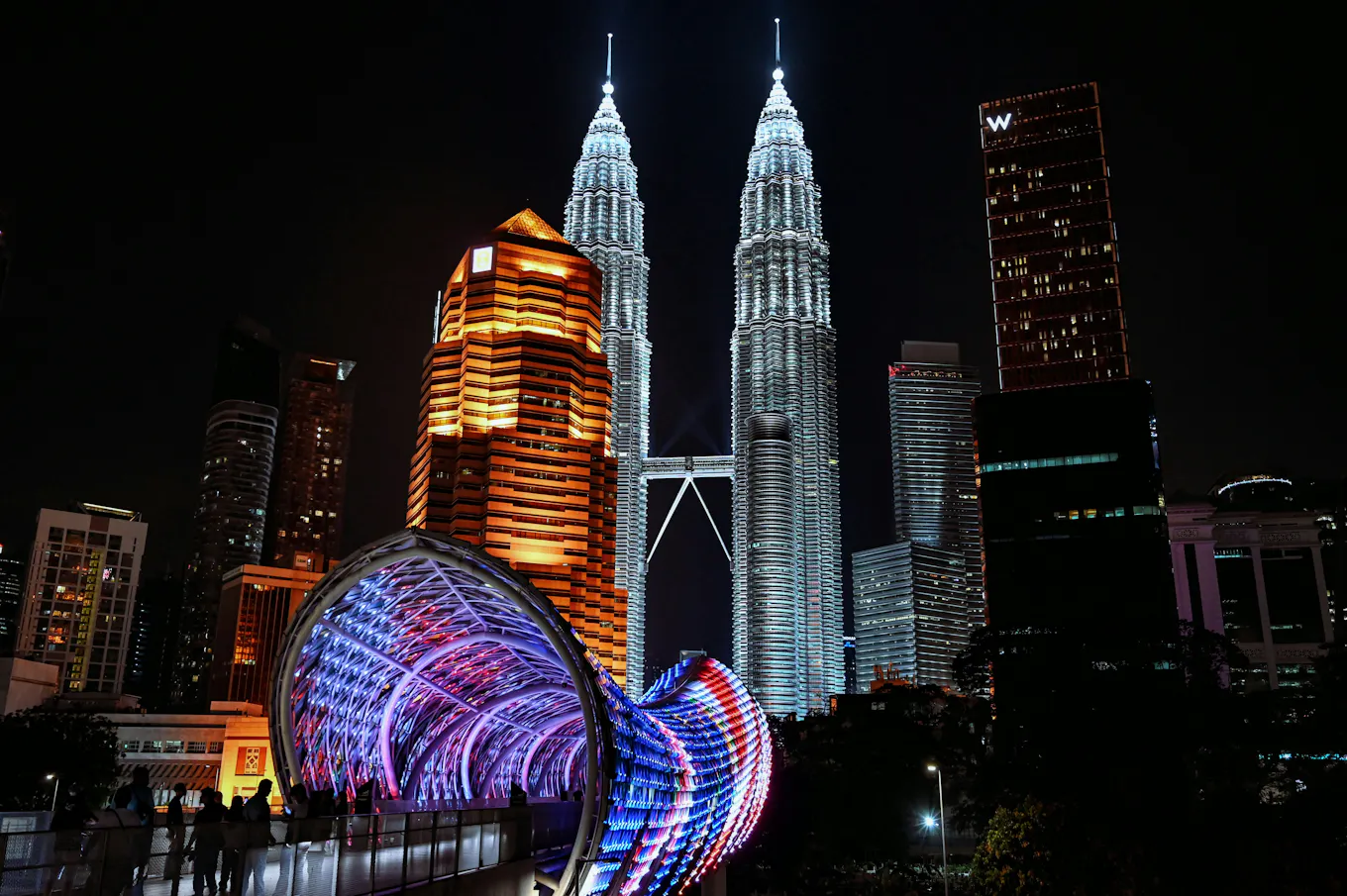
Long-term planning, stronger institutions and smarter design will be critical to ensuring infrastructure continues to serve communities as environmental conditions change. Image: Simon Wiedensohler, CC BY-SA 3.0, via Unsplash.
Delivering Asia’s next generation of infrastructure
Singapore’s experience shows the value of combining long-term planning with the institutional capacity and technical capabilities needed to turn plans into implementation.
“When we look at Singapore, we see a nation that has turned its greatest vulnerability, water scarcity, into a platform for global leadership in integrated water management and urban sustainability,” said Farchad.
“Why is this so? It’s because Singapore places much emphasis on resilience, innovation, and foresight when it comes to protecting its resources.”
Applying that experience elsewhere requires adaptation. Hamilton said infrastructure strategies must reflect local economic conditions, climate risks, regulatory systems and community needs.
“Roadmaps must be locally tailored,” he told Eco-Business, noting that the next generation of infrastructure will be judged not only by what is built, but by how well it performs over decades.
“The decisions made today, on design, materials, energy systems, and regulatory standards, will either lock in progress or lock in liability for decades to come.”