Asia Pacific‘s leading platform for sustainable development
11. Sustainable cities and communities
More than half of the world’s population now live in urban areas. By 2050, that figure will have risen to 6.5 billion people – two-thirds of all humanity. Extreme poverty is often concentrated in urban spaces, and national and city governments struggle to accommodate the rising population in these areas. Making cities safe and sustainable means ensuring access to safe and affordable housing, and upgrading slum settlements. Sustainable development cannot be achieved without significantly transforming the way we build and manage our urban spaces.
Read our stories to learn more about SDG Goal 11: Sustainable cities and communities


SDG 11 Sustainable cities and communities is supported by ABB
Berita

The 26 August flash floods on the Nepal-China border wiped out or badly damaged 281 megawatts of installed capacity and damaged 388 MW under construction in Nepal, with losses estimated to be hundreds of billions of Nepali rupees. With transmission lines on the Trishuli riverbank washed away, another 150 MW of power is cut off from the national grid.

Polisi & Kewangan
Cambodia cracks down on social media wildlife trade, but gaps remain
Cambodia’s environment ministry has called on content creators and social media users to stop posting content that promotes the online sale of wildlife products, to tackle the illegal wildlife trade in the country.

Kenya's small-scale solar market shows how local capital can be just as important as big China-funded renewables projects.

Karbon & Cuaca
Coal pollution grips coastal Bangladesh as safeguards fail
A major thermal power plant, located in coastal Bangladesh, has been operating without regular air-quality testing, allegedly causing suffering among nearby residents.
Polisi & Kewangan
Buying green can drive China’s climate action
Karbon & Cuaca
Climate change warnings preceded Nepal disaster, say experts
Pendapat

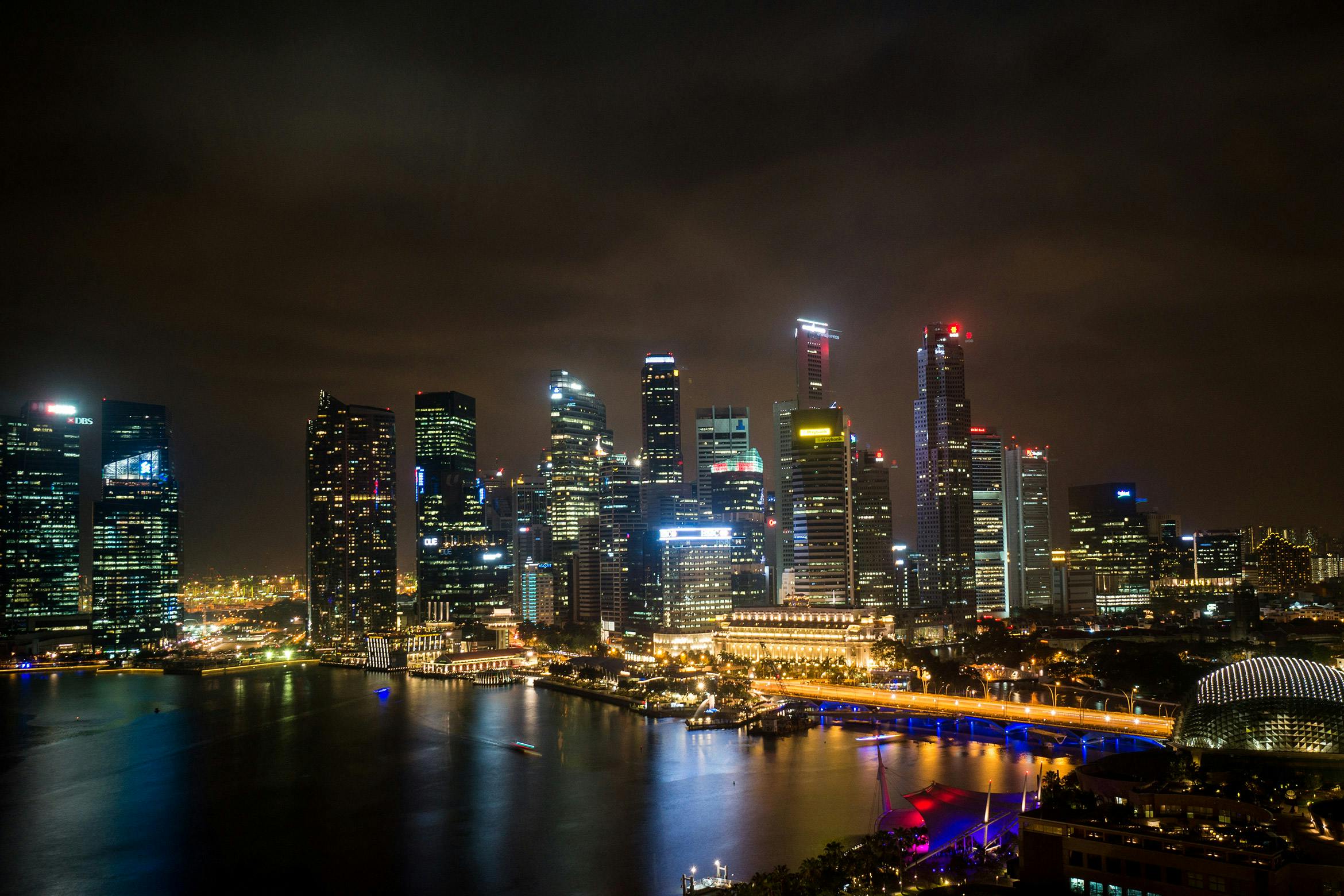
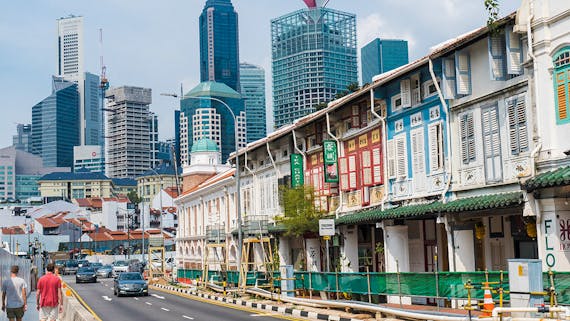
Singapore has sophisticated systems for planning development and assessing environmental impacts. The next step is to put ecological value more firmly into the equation.

Bandar-bandar
Delhi’s EV policy changes the engine, not the system
Electric vehicles can reduce pollution and emissions. But underlying issues of preserving car dependence, displacing environmental harm and workers bearing the costs of a clean future need to be addressed.

More than 1,500 vessels stranded by the Strait of Hormuz blockade risk spreading invasive marine species when they resume voyages, posing a wider biosecurity threat.

Mineral security is not just about access to resources but about control over value chains. India’s response must be strategic, not reactive.
Polisi & Kewangan
Decolonising economics means questioning where its ideas came from
Karbon & Cuaca
Who should build the low-carbon economy?
Video

Speakers at Unlocking capital for sustainability Indonesia 2026 discuss how Indonesia can power its mineral boom without compromising climate goals or community trust

In this second episode of Eco-Business’s Resilience podcast series, Singapore's Senior Minister of State Janil Puthucheary and youth sustainability advocate Man Jing Kong dives into what resilience means for the city-state with Jessica Cheam. Watch as they discuss everything from climate adaptation to mental health and building public trust as an AI-driven economy reshapes daily life.

Industry experts dissect what it means to adopt AI for sustainability, ranging from tackling rising environmental concerns to implementation of responsible governance.

Karbon & Cuaca
‘Resilience is not a buzzword’: Palm oil leaders call for industry reset amid global shocks
In the inaugural episode of Eco-Business's new Resilience podcast series, industry leaders say the palm oil sector's ability to weather disruption will depend not on certification alone, but on rethinking the relationships that underpin the entire supply chain.
Audio
In this second episode of Eco-Business’s Resilience podcast series, Singapore's Senior Minister of State Janil Puthucheary and youth sustainability advocate Man Jing Kong dives into what resilience means for the city-state with Jessica Cheam. Watch as they discuss everything from climate adaptation to mental health and building public trust as an AI-driven economy reshapes daily life.

Sisa Kumbahan
Waste-to-energy ‘safe’ for Filipinos amid health, pollution fears: environment official
Amid back‑to‑back trash slides and a landfill fire in one of Southeast Asia’s leakiest waste systems, Philippine environment undersecretary Jonas Leones touts new science‑based safeguards for a waste‑to‑energy buildout in the country.

Karbon & Cuaca
Jeffrey Sachs: China is unequivocally the world’s climate power today. Asean’s opportunity is next.
Eksklusif
The economist and president of the UN Sustainable Development Solutions Network told the Eco-Business Podcast how China’s green industrial and financial capabilities can help accelerate Southeast Asia's transition to net zero.

Sisa Kumbahan
We don’t need a plastics treaty for nations to enact polluter-pays laws now: Doug Woodring
The head of waste management non-profit Ocean Recovery Alliance tells the EB Podcast that recycled content mandates will drive the circular economy better than caps on virgin plastic production. Brands should be pressured more than petrochemical producers to phase out unnecessary plastics, he says.

Receive the latest insights daily or weekly.
Organisasi Strategik