
Peralihan Tenaga Bersih Asia Tenggara
Segala berita terkini. Back to Sea's Clean Energy Transition.

As floating photovoltaic systems emerge as a bright spot in the Philippines' renewable energy quest, how can the archipelago push expansion while minding the technology's potential environmental and social impacts?

The region leads the world in the growth of solar and wind certificate issuances. Such deals are helping developers secure funding and take off in nascent markets, amid accusation that companies buying RECs inflate their green claims.

Asia’s sustainability heads foresee some relief from reporting burdens this year, but articulating the financial value of social, biodiversity and climate-related impacts, engaging suppliers and staying ahead of regulations will keep them busy.

SDG 13. Climate
Philippines needs US$9bn and better foreign funding approach for energy transition: Rockefeller Foundation
Just Energy Transition deals have been “long on promise but short on progress”, the US-based philanthropic group says. It recommends countries iron out investment plans before making big political statements.

As Indonesia heads for the polls, Eco-Business assesses which of the three major presidential candidates has the strongest position on climate and environmental justice.
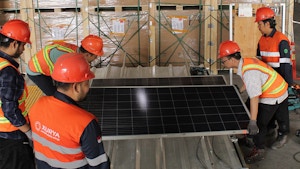
SDG 11. Cities
Clean energy policies in SE Asia improving but chronic issues impact payouts: SEACEF green fund manager
Clime Capital will raise its financing cap after winning blended finance backing for its regional early-stage funding scheme. But it has to “risk-gate” disbursements to keep clear of regulatory deadlocks.

Leaders Vietnam and The Philippines are facing delays in developing renewable energy projects, while unambitious Asean targets allow countries to continue developing coal and gas, says Global Energy Monitor.
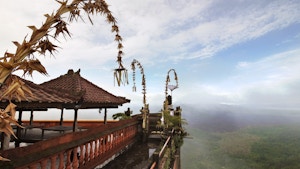
As the island recovers from a pandemic-induced slump, it is trying to diversify its economy beyond tourism and attract green business. But can eco-startups scale or is Bali more beach than business?

Several commitments have been made in 2023 to boost clean energy in the region, and observers are now looking for signs of real action. Meanwhile, solar manufacturers could be in for a bumpy ride.

SDG 12. Consumption
Petronas, Pertamina among national oil companies at highest risk of not generating public returns in net-zero world
A new analysis lists the Malaysian and Indonesian oil firms as two of the world’s four state-owned oil companies which will face the highest costs for continued oil expansion. Falling demand of the dirty fuel could impact their national economies.

Meet the people pushing to protect one of the most vulnerable parts of the world to global warming at the COP28 climate talks in Dubai.

SDG 13. Climate
Johor yang berkembang pesat mengintai peluang perdagangan tenaga, kenderaan elektrik dengan Singapura dalam usaha pemacuan ekonomi hijau
Negeri paling selatan Malaysia sedang meneroka eksport tenaga bersih dan meningkatkan pembangunan infrastruktur EV melalui cadangan zon ekonomi khas dengan Singapura. Pelan ekonomi hijau Johor juga akan berusaha untuk memperkukuhkan lagi pertahanan banjir.



Receive the latest insights daily or weekly.
Organisasi Strategik


